Let’s Talk Timing, Because Concrete Doesn’t Care About Your Schedule
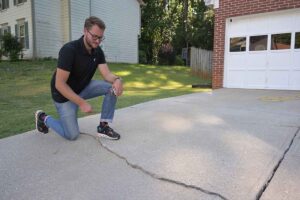
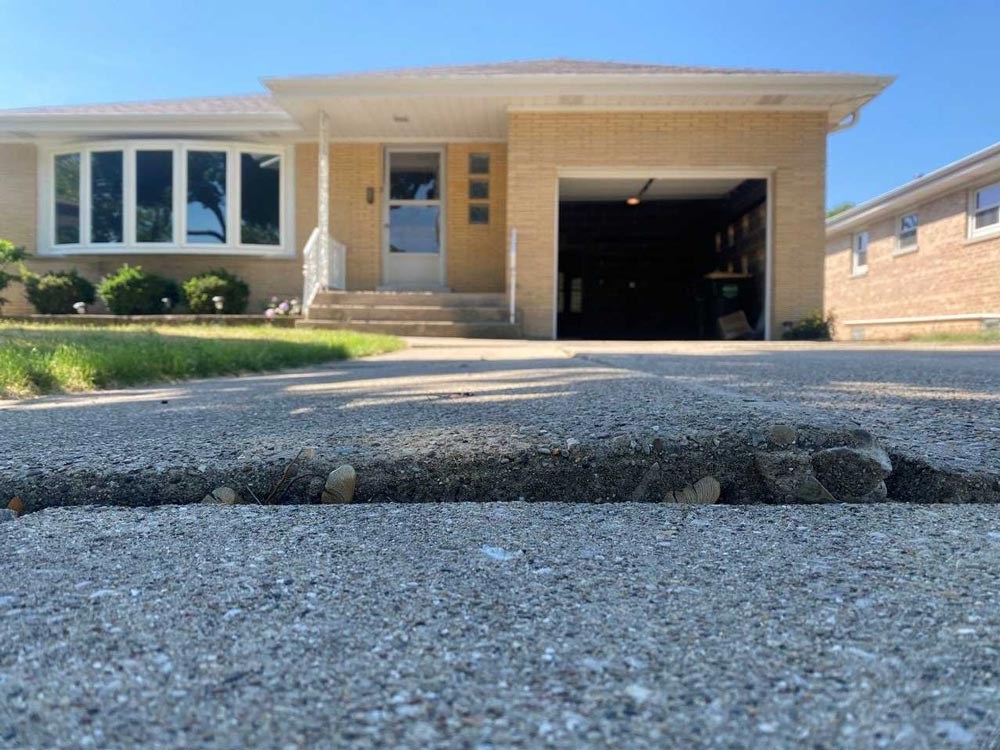
If you’ve ever tripped over your own driveway or watched your front steps sink like they’re in quicksand, you’re not alone. Around here in Sandy Springs, concrete doesn’t stay put forever. It shifts, settles, and eventually starts to look like it’s had a rough week. And when you’re ready to fix it, you might wonder: when’s the best time of year to do concrete leveling?
That’s where we come in.
At Signature Polyjacking, we specialize in lifting and leveling concrete in all sorts of Georgia conditions. But truth be told, some seasons are just better than others when it comes to this kind of work. Let’s walk you through it, no hard hat required.
Why Concrete Settles in the First Place
Before we talk “when,” let’s talk “why.” Around Sandy Springs, our mix of clay-heavy soil and unpredictable weather makes concrete settling a common headache.
Here’s what causes it:
- Georgia Soil Conditions: Our red clay is infamous for expanding when it’s wet and shrinking when it dries out. That yo-yo effect causes concrete slabs to shift, tilt, and sink.
- Water Intrusion: Poor drainage or heavy rain can erode the soil underneath your driveway, porch, or steps.
- Improper Installation: If the soil wasn’t compacted right when the concrete was first poured, it was only a matter of time before nature took over.
No matter what caused it, concrete leveling is the fix that doesn’t involve tearing everything out and starting over.
For more information, see Should I Repair, Resurface, or Replace My Concrete Driveway?
So When Is the Best Time for Concrete Repair?
We’ve leveled slabs in every season. But if we had to pick a winner? Late spring through early fall usually gets the gold medal.
Here’s why:
Spring: The Sweet Spot (Usually)
- Why it’s good: The soil starts to dry out after a wet winter, and temperatures are ideal for the polyurethane foam we use during leveling.
- What to watch for: Spring showers. If the ground is too saturated, it can affect lift precision.
- Pro tip: Spring is a great time to get ahead of worsening settlement, especially if the damage got worse over winter.
Summer: Warm, Dry, and Ready
- Why it’s great: Consistent temps and dry conditions make summer ideal for polyjacking. The foam cures fast, and we can get in and out with minimal disruption.
- Bonus: Dry soil offers more stable lift results. Plus, the sun’s doing half the drying for us.
- Just keep in mind: Extreme heat can make work uncomfortable, but our team knows how to handle it.
Fall: The Underrated Champion
- Why we love it: Cooler temps and stable weather make fall another excellent time for repairs.
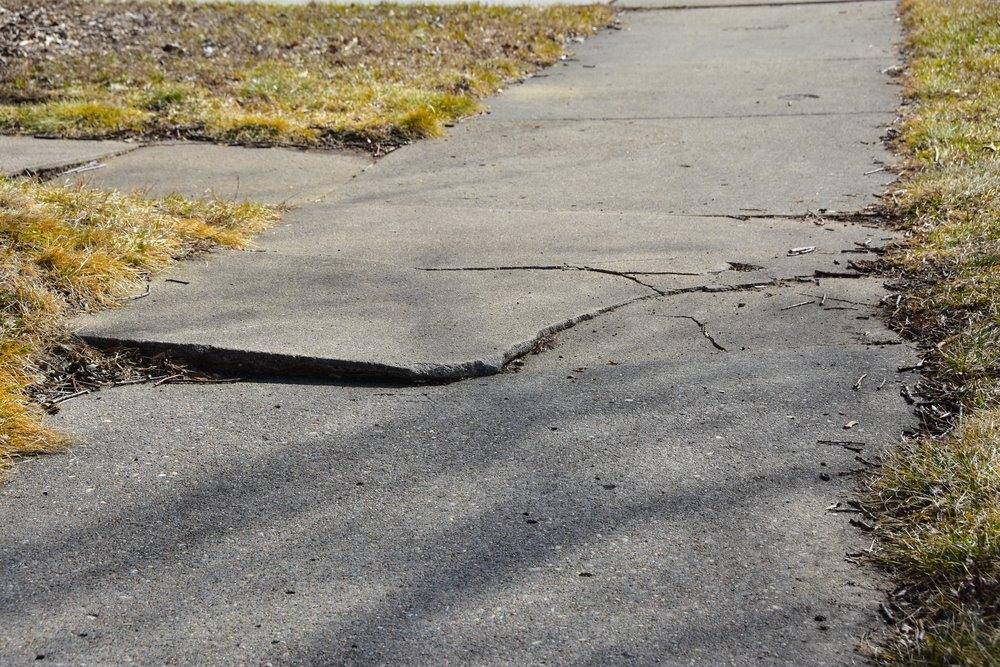
- Why it matters: Fixing concrete now helps prevent water from seeping into cracks during winter freezes, which can make the problem worse.
Winter: Not Ideal, But Possible
- Why it’s tricky: Wet or frozen soil makes it harder for the foam to expand properly. Plus, winter precipitation can delay work.
- But we can still do it: If conditions are dry and above freezing, we can still level concrete in winter, especially in Georgia, where the cold snaps are usually short-lived.
Temperature Effects on Concrete Leveling
Now let’s get a little nerdy.
Polyurethane foam – the star of our concrete leveling process – reacts to temperature. In warmer weather, it expands faster and cures quicker, which makes for a smooth job and speedy results. In cold or damp conditions, that process slows down, which can impact the lift.
That’s why mild to warm weather is our best friend when it comes to concrete leveling. You get better results, and we get in and out faster.
The Problem With Waiting
We get it, life gets busy. But waiting too long to fix uneven concrete can lead to bigger problems down the road, including:
- Water pooling around your foundation
- Widening cracks
- Increased trip hazards
- Higher repair costs later on
If the concrete’s already sunken, it’s not going to lift itself. The sooner you address it, the easier and cheaper it is to fix.
Why This Matters in Sandy Springs
Sandy Springs has its own quirks…steep driveways, tree roots galore, and that Georgia clay that acts like a sponge. Our crew is based nearby, and we’ve worked on just about every kind of concrete issue you can imagine in this area.
So when we say we know Sandy Springs concrete service, we’re not just talking, we’re showing up, foam gun in hand, ready to work.

Here’s How Our Process Works (It’s Simple)
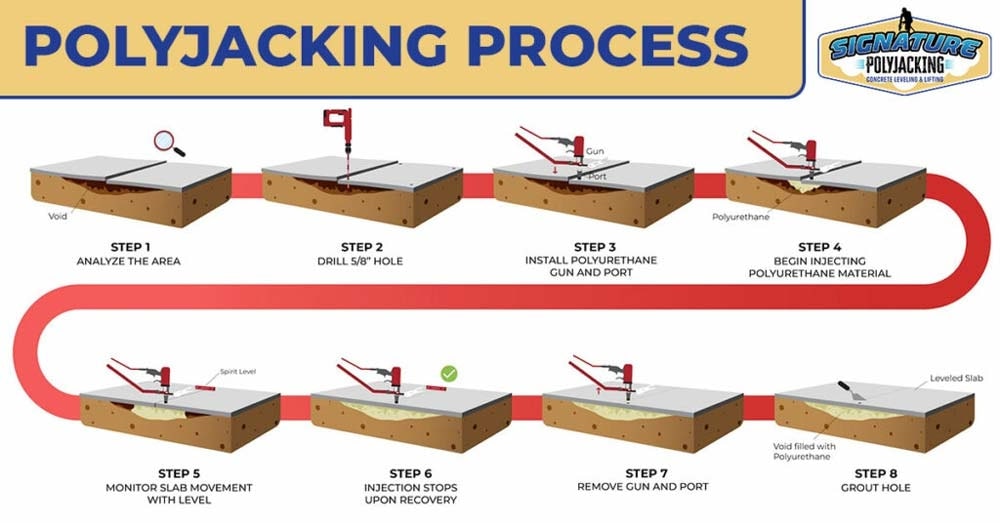
We follow a 3-step process that gets results without tearing up your yard:
- Free Assessment – We’ll inspect the area, measure settlement, and give you an honest quote.
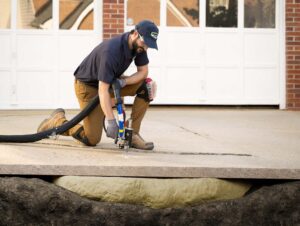
- Precise Polyjacking – We drill small holes, inject high-density polyurethane foam under the slab, and gently lift it back into place.
- Use It Same Day – The foam cures within minutes. You can walk, drive, or host a BBQ right after we’re done.
Concrete Settlement Prevention Tips
Want to keep your concrete in good shape after we level it? Here are a few pro tips:
- Check your drainage. Make sure water flows away from your slabs.
- Watch for soil erosion. Fix bare spots in your lawn or near foundations.
- Keep trees in check. Roots love to push up patios and walkways.
- Schedule annual inspections. A little preventive care goes a long way.
When in Doubt, Get It Checked Out
Even if you’re not sure whether it’s the “right” time to fix your concrete, give us a call. We’ll assess your situation and tell you the truth…no upsell, no scare tactics.
If it’s better to wait? We’ll say so. If it’s time to fix it now? We’ll get it done right the first time.
Let’s Fix That Concrete Before It Gets Worse
We’ve helped plenty of Sandy Springs homeowners get their patios, steps, driveways, and pool decks back to level. We know the weather, the soil, and the right timing to get the job done right.
Don’t let Georgia’s weather get the best of your concrete. Contact Signature Polyjacking today to schedule your free assessment.
Because concrete won’t fix itself.