Now, I’ve seen a lot of things that don’t last, cheap boots, duct tape on a radiator hose, and just about every “As Seen on TV” gadget ever made. But when folks ask us, “Is concrete leveling a permanent fix?” – especially here in Atlanta’s rollercoaster climate – the answer’s a bit more nuanced than a simple yes or no.
We’re Signature Polyjacking. And while we don’t sell snake oil or miracle cures, we do specialize in solutions that are built to last. Let’s unpack whether lifting and leveling sunken slabs – specifically using polyjacking- is a long-term fix
What Exactly Is Concrete Leveling?
First, a quick primer. Concrete leveling is the process of lifting sunken or uneven concrete back to its original position. The two most common methods?
1. Mudjacking
An older method that involves pumping a heavy slurry of water, dirt, and cement under the slab. It works…for a while.
2. Polyjacking (a.k.a. Polyurethane Foam Injection)
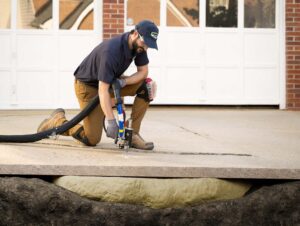
A newer method where high-density foam is injected beneath the slab. The foam expands, lifts the concrete, and hardens in minutes.
If you’re wondering about polyjacking vs mudjacking, keep reading. Because in Atlanta’s climate, this distinction makes all the difference.
Atlanta’s Soil & Weather: Not Exactly Concrete-Friendly
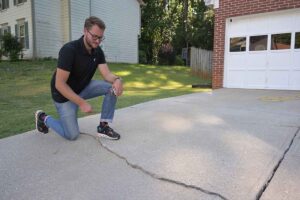
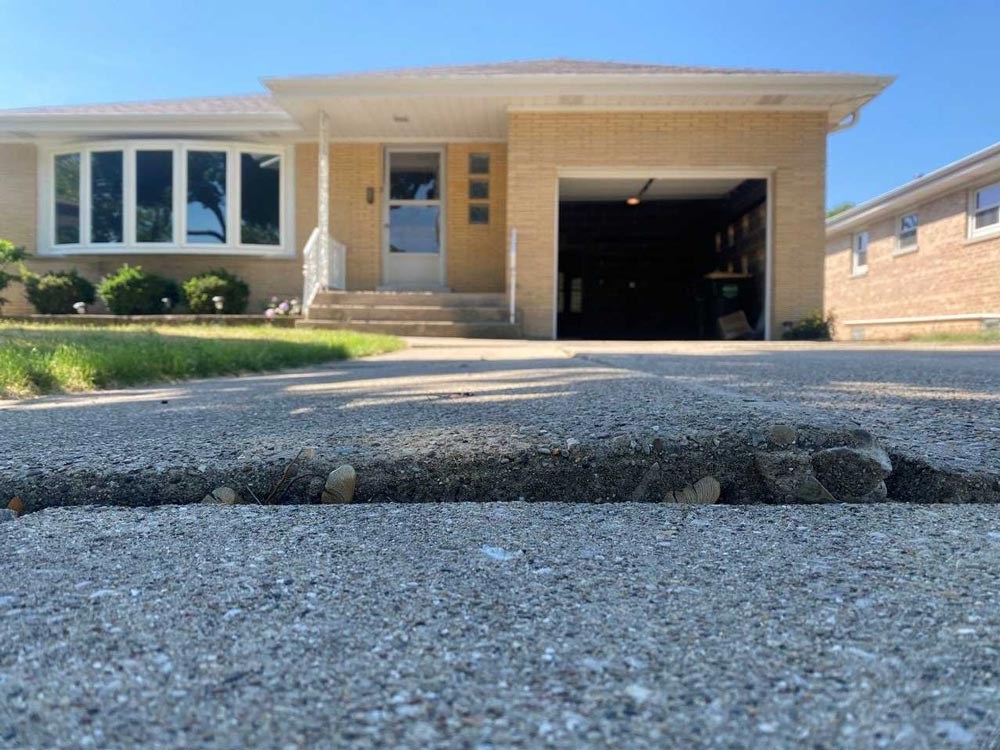
You’d think concrete – literally rock- would be the last thing to move. But here in Georgia, nature’s playing a long game of tug-of-war with your slab. To truly understand the “how,” you have to look at why concrete settles in Georgia, ranging from expansive clay soils to our intense freeze-thaw cycles.
Here’s why concrete slabs settle over time in our area:
- Expansive Clay Soils – When wet, it swells. When dry, it shrinks. Your concrete sits on a sponge.
- Freeze-Thaw Cycles – Yes, even in Georgia. Overnight freezes and warm days create micro-shifts under your slab.
- Erosion from Heavy Rain – Water finds its way under your concrete, washing out the support it needs.
- Poor Drainage & Settling Fill Dirt – Many homes are built on backfilled soil that wasn’t compacted properly.
That combo creates the perfect storm for concrete settlement in Georgia.
So…Is Concrete Leveling a Permanent Fix?
Here’s the honest answer:
If done with polyjacking, yes, it’s designed to be permanent. But if done with mudjacking? You might be doing it all over again in a few years.
Why Polyjacking Holds Up in Georgia’s Climate
Let’s break it down like a good ol’ “pros and cons” list.
Lightweight & Strong
Polyurethane foam doesn’t weigh down the soil like mudjacking’s heavy slurry does. That’s key when the ground below is already unstable.
Water-Resistant
Mudjacking slurry can wash away over time. Polyjacking foam? It’s closed-cell and hydrophobic, meaning it won’t absorb water or erode with Atlanta’s heavy rainfall.
Fast Cure Time
Polyurethane foam sets in 15 minutes. That means less time exposed to the elements during the repair, and you can use your sunken driveway or patio the same day.
Long-Term Stability
Because it fills every void and forms a tight seal beneath the slab, polyjacking doesn’t just lift, it stabilizes. Think of it as weatherproof concrete leveling.

But Nothing Lasts Forever, Right?
True. Even the best repairs can fail if the root cause isn’t addressed. That’s why we don’t just show up and pump foam willy-nilly.
At Signature Polyjacking, we investigate the cause of the problem. Whether it’s:
- Poor drainage
- Settling fill dirt
- Eroded soil
- Tree root intrusion
- Plumbing leaks
We look at the whole picture.
If the issue is drainage, we’ll recommend gutter adjustments or grading changes. If it’s expansive soil, we’ll talk about soil stabilization in Atlanta and offer tips to reduce movement over time.
How Long Should Polyjacking Last?
With proper conditions and professional installation? Decades.
That’s not marketing fluff. It’s based on experience and real-world results. We back our work with a concrete repair warranty, so you’ve got peace of mind baked in.
Compare that to mudjacking, which may need to be redone in as little as 3–5 years, especially in moist or unstable soil.
What Homeowners Should Do After Leveling
You don’t need to baby your newly-leveled concrete, but you should treat it right:
Fix Drainage Issues
Redirect downspouts, install a French drain, or regrade soil around the slab to keep water away.
Watch Tree Roots
If large trees are nearby, keep an eye on root growth. It might be worth installing a root barrier.
Schedule Annual Checks
Once a year, walk around your property and look for new cracks, dips, or drainage problems. Early detection = cheaper fixes.


Can You Level Concrete Yourself?
That’s a fair question. There are DIY kits out there, but you might wonder if homeowners can repair concrete themselves. But this isn’t a weekend warrior job. It takes:
- Specialized equipment
- Experience reading soil behavior
- Precision injection skills
- Knowledge of expansion rates
Without those? You could lift the slab unevenly, crack it, or make the problem worse. Concrete lifting isn’t just about getting it back up, it’s about keeping it there.
If you’re serious about permanent slab lifting, your best bet is a professional team with the right tools and training.
The Verdict: Polyjacking Is the Permanent Fix Atlanta Needs
Let’s sum it up:
- Polyjacking outlasts mudjacking.
- It resists Georgia’s wet-dry clay cycles.
- It prevents repeat settlement by stabilizing the soil.
- It’s quick, clean, and cost-effective long-term.
Whether you’ve got a sinking driveway in Decatur or an uneven patio in Alpharetta, concrete leveling Atlanta-style means one thing: polyjacking done right.
Ready for a Lasting Solution?
At Signature Polyjacking, we don’t believe in quick fixes or band-aids. We believe in long-lasting results backed by expertise, materials that work, and a process designed for Georgia’s toughest soils.
If you’re searching for “concrete leveling near me” in the Atlanta area, look no further. We’re ready to give your concrete the lift it deserves. Contact us today for a free estimate.